
Blood Sugar
Blood sugar, which is also known as blood glucose and which is meant to be the primary source of energy for body cells. It comes from the foods that we consume,
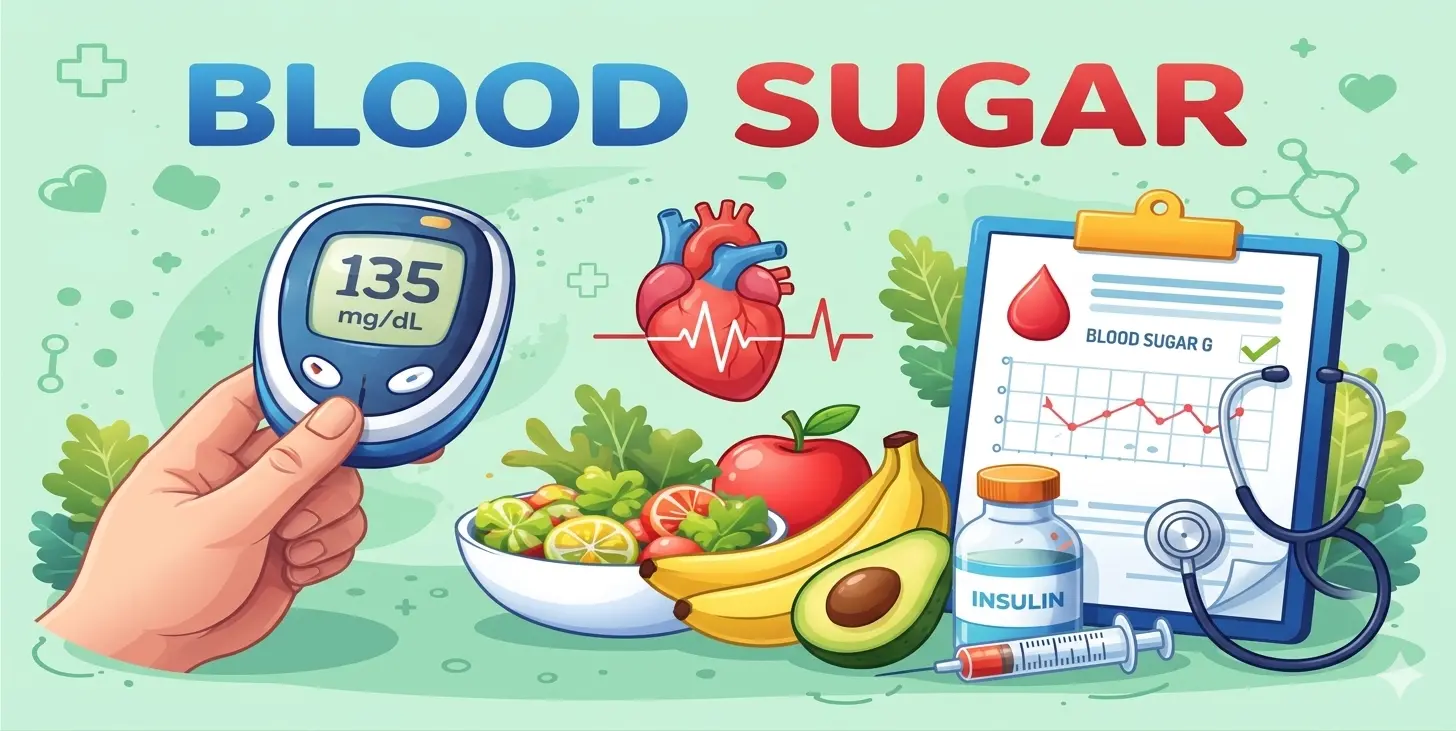
Blood sugar, which is also known as blood glucose and which is meant to be the primary source of energy for body cells. It comes from the foods that we consume, particularly carbohydrates, and is mainly transported with the help of the bloodstream to provide fuel to different bodily functioning.
It has been suggested that maintaining a healthy blood-sugar level is quite essential for overall growth. Since it has been reported that as both high/low sugar can lead to serious health complications.
Therefore, understanding how blood-sugar works, what affect it.
Try to keep up with a healthy range that can prevent issues like diabetes and thereby support the long-term healthy body and functionality.
What Is Blood-Sugar?
Blood-sugar is the condition which related to the amount of glucose found in the bloodstream. Glucose is a sugar which is simple and serves within the body as one of the main source of energy. Once your body consume carbohydrates then it tends to breakdown into glucose, which later on enters to the bloodstream. Moreover, later on pancreas then release insulin (which is a hormone) and help to move glucose from the blood to your body cell and later on, which can later be used for energy.
When this complete process works properly, then blood-sugar level maintains within a healthy range.
Why Is Blood Sugar Important?
Blood sugar plays an significant role in preserving the normal functions of the body. Since, there are numerous benefits of healthy blood-sugar, which majorly involve-
➤ Providing energy
Glucose is believed to provide energy mainly to brain, your organs and to muscles. This helps the body to function much more easily entire day long.
➤ Supports brain functioning
The brain is believed to rely heavily on glucose for concentration, memory and even cognitive performance.
➤ High physical performance
The proper blood-sugar level even supports strength, endurance, and overall physical activity.
➤ Main organ functioning
A balanced glucose level help vital organs to function properly and reduces the risk of long-term complications.
➤ Normal blood-sugar level
Blood sugar level can vary depending upon age, status of health, and whether the person has eaten recently.
What Causes High Blood Sugar?
High blood sugar, which is also known as hyperglycaemia, occur when there is too much of glucose in the bloodstream.
➤ Some of the common causes include-
- diabetes, which is the insufficient production or poor insulin function, can cause blood sugar to rise.
- Consuming a poor diet, like excessive sugary food, refined carbohydrates, and even processed snacks, may even increase the blood glucose level.
- When there is a lack of physical activity, your condition can also be impacted. It has been reported that exercise helps the body to use glucose much more effectively. A daily lifestyle can contribute to elevated blood sugar.
- Stress hormones can also cause temporary increase in blood glucose levels.
- Intake of certain medicines which mainly include- corticosteroids, may raise blood sugar levels.
➤ Symptoms of high blood sugar levels
- Frequent urination
- increased hunger
- fatigue
- slow wound healing
- unexplained weight loss
- headache
- blurred vision
What Causes Low Blood Sugar?
Low blood sugar (hypoglycemia), mainly occurs when glucose, level drop and below normal. However, some of the common causes are-
➤ Skipping meals
If you remain in a position where you have not consumed for a longer time, then this can lower the blood sugar level.
➤ excess diabetes medicines
Taking too much insulin, or diabetes medicine may also cause glucose levels to fall too low.
➤ Intense physical activity
Prolonged exercise without taking adequate nutrition can also lead to hypoglycemia.
➤ Excessive consumption of alcohol
There is a need for reducing alcohol intake, and in this manner your body will help to regulate the blood sugar level.
Different symptoms of low blood sugar
- Sweating
- Dizziness
- Anxiety
- Confusion
- Weakness
- Rapid heartbeat
Risk Factors for Blood Sugar Problems
There are several factors that can increase the blood sugar imbalance.
If you have a family member suffering from diabetes, then this increases the chances of other people within the same family.
If you have an excessive body weight (which is connected with insulin resistance).
If you often consume high-sugar foods/beverages can even lay an impact on blood glucose control.
Performing regular exercise is also very essential to maintain a healthy sugar level.
Type 2 diabetes can also develop while you age.
How to Maintain Healthy Blood Sugar Levels
➤ Focus on eating balanced diet.
Focus on taking whole grains, fruits, vegetables, lean proteins and also healthy fats. But in between all limit processed foods and sugary beverages.
➤ Exercise on a regular basis
Aim for at least 150 minutes of moderate physical activity per week.
➤ Stay hydrated
Your body needs to be hydrated all day long, as drinking water can help the body to regulate blood sugar more effectively.
➤ Manage your stress
Perform some major techniques here, like meditation, yoga, and deep breathing practice, that can help to support blood sugar control.
➤ Get quality sleep
Poor sleep can also affect insulin sensitivity and glucose metabolism.
➤ Monitor blood sugar
People with diabetes should regularly monitor their glucose level accordingly as per the medical advise.
➤ Complications of Uncontrolled Blood Sugar
The long-term high blood sugar may also lead to some serious complications-
An increased level of glucose can damage the blood vessels and increase the cardiovascular risk.
Uncontrolled diabetes is also the leading cause of kidney damage.
High blood sugar may also cause neuropathy, leading to numbness and pain.
Diabetic retinopathy can also affect vision and potentially lead to blindness.
The poor circulation and even nerve damage may also increase the risk of foot ulcers and infections at the same time.
When it is advised to seek doctor?
- Consulting a healthcare professional at the stage when you notice-
- frequent thirst
- You tend to visit the bathroom more often
- when there is persistent fatigue
- unexplained weight loss
- Recurrent low blood sugar episodes
The blood sugar readings go beyond the recommended range. Therein an early diagnosis and management help to prevent complications.
Conclusion
Blood glucose level is crucial when it comes to energy production and general good health. It would always be beneficial for someone to maintain their blood glucose level within the healthy range, which will help them avoid having any problems with diabetes. With the help of a proper diet, physical activity, management of stress, and constant checkups, one will be able to maintain good control of their blood glucose level and live a better life. More information on health can be found on armodafinil.com.au.